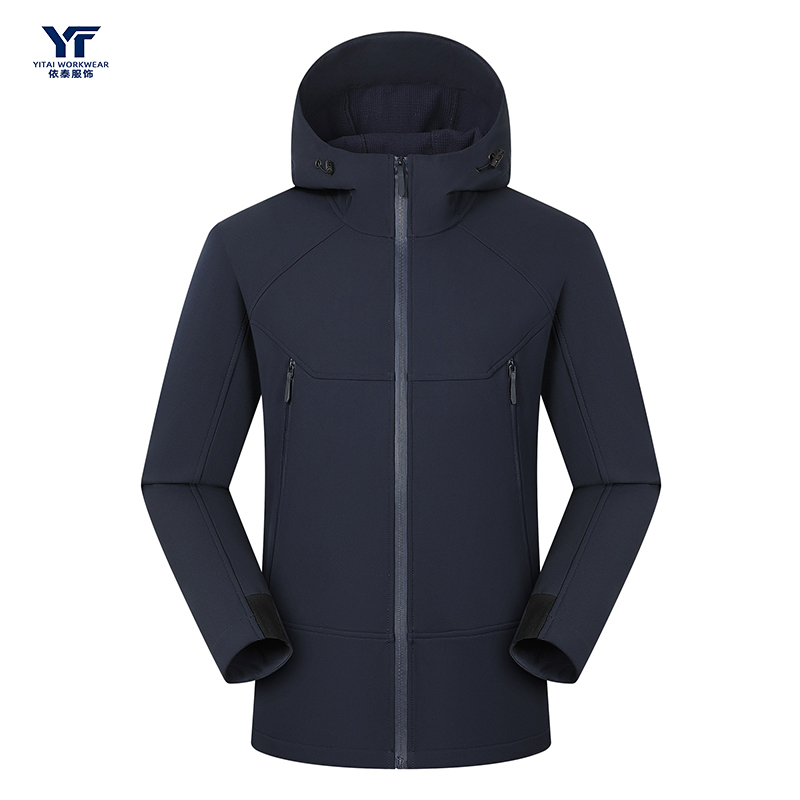
Learn about the detailed production work order for hardshell jackets, covering fabric selection, pattern cutting, trims, sewing and seam taping. Custom waterproof outdoor workwear available for bulk orders.
Production Work Order for Jackets
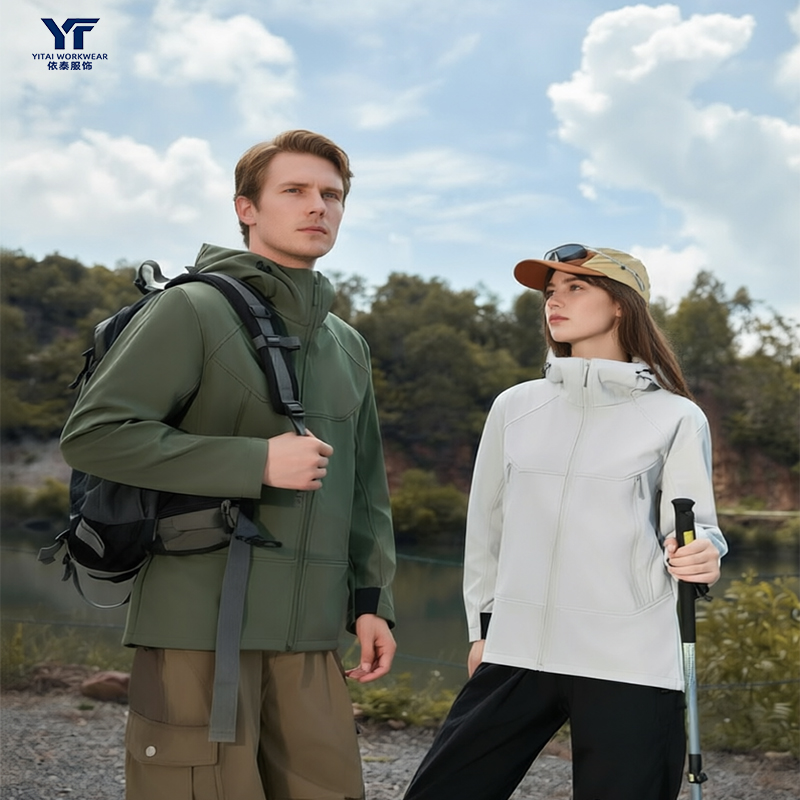
A hardshell jacket is a highly functional outdoor garment, and its production work order demands meticulous preparation. A well-crafted work order is like the blueprint for building a building; every detail determines the final quality and performance of the finished jacket.
First and foremost, fabric selection is the top priority when drafting the work order. Hardshell jacket fabrics must deliver windproof, waterproof and breathable performance, acting much like a warrior’s armor to shield the wearer in harsh outdoor conditions. We need to list fabric composition in full detail. For example, blends of high-tech polyester and spandex are commonly used: polyester offers excellent abrasion resistance and water repellency, while spandex lends elasticity for unrestricted movement. Fabric thickness, density and other specifications must also be recorded precisely, just as building material specs are marked on architectural blueprints — there is no room for error.
Next comes pattern cutting, comparable to a sculptor shaping raw materials. Based on ergonomic principles, the shape and dimensions of every pattern piece are carefully defined. Collars, cuffs and hems are curved to follow the natural contours of the human body. This design keeps wind and rain out during outdoor activities without restricting movement. The work order must include drawings of each pattern piece and state dimensional tolerances, a critical step to guarantee a great fit.
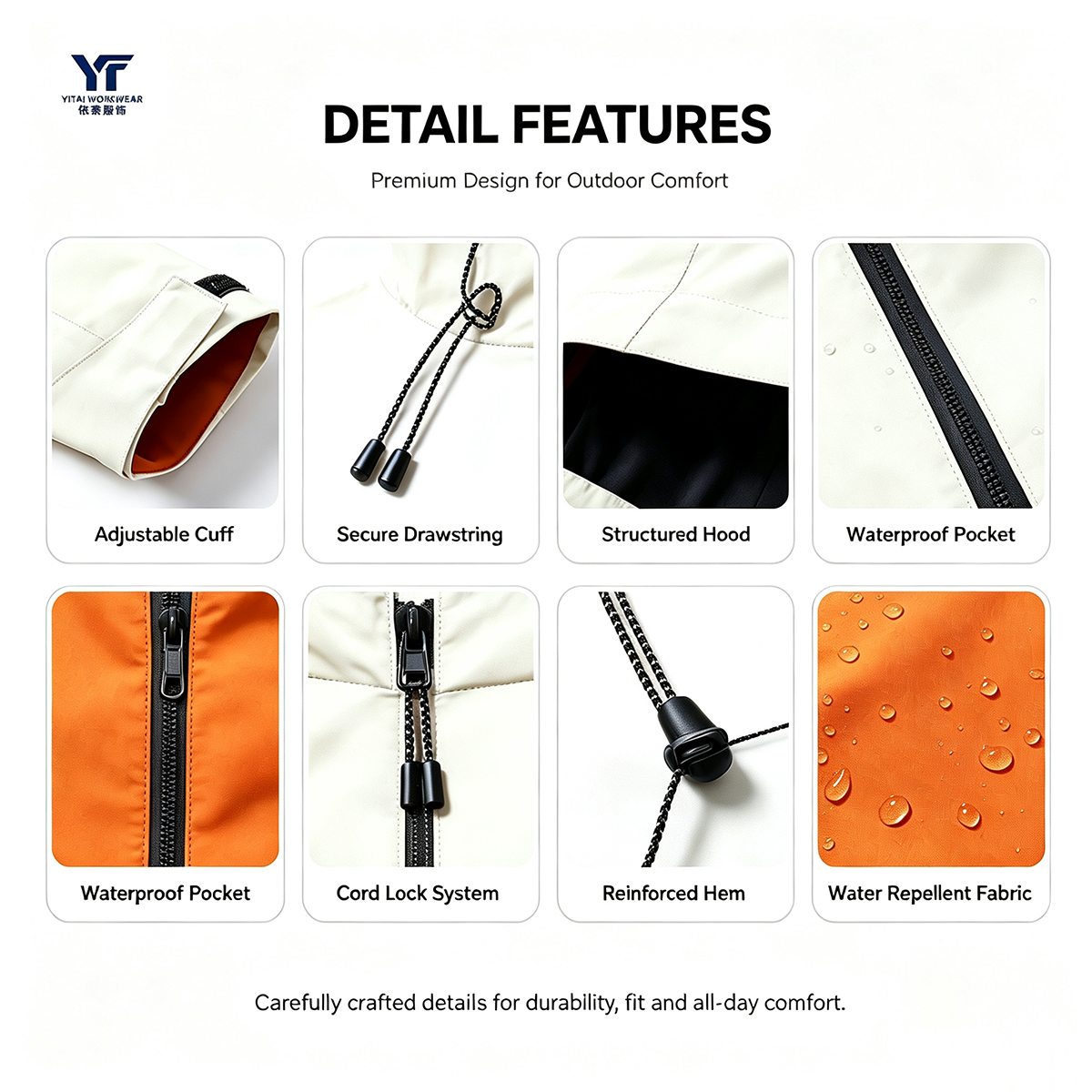
Auxiliary materials are also indispensable to jacket construction. Zippers, buttons, hook-and-loop fasteners and other trims make up only a small portion of the garment yet serve vital functions. The zipper works as the jacket’s gateway; it must run smoothly and withstand repeated opening and closing. The work order specifies zipper material, length, color and slider style. Buttons and hook-and-loop tape must match the jacket’s overall style and functional requirements, with their specifications clearly documented.
Then there is sewing, similar to an artisan carefully assembling mosaic tiles. Each stitch acts as a thread bridge connecting all components of the jacket. Stitch types such as high-tenacity thread with superior strength and wear resistance are selected. The work order defines stitch density, seam types — plain seam, bound seam or chain stitch, for instance — and the sewing sequence for different sections, just as construction blueprints lay out the order of building work.
Last but not least, finishing processes cannot be overlooked. This stage is like the final polishing of a work of art. Windproof and waterproof coating treatment as well as seam taping procedures must be clearly outlined in the work order. The waterproof coating adds an invisible rain shield to the garment, and seam taping is essential to lock in waterproofness and tightness. The width and length of every taped seam must be marked accurately. Only in this way can the finished hardshell jacket meet high standards in both function and quality.