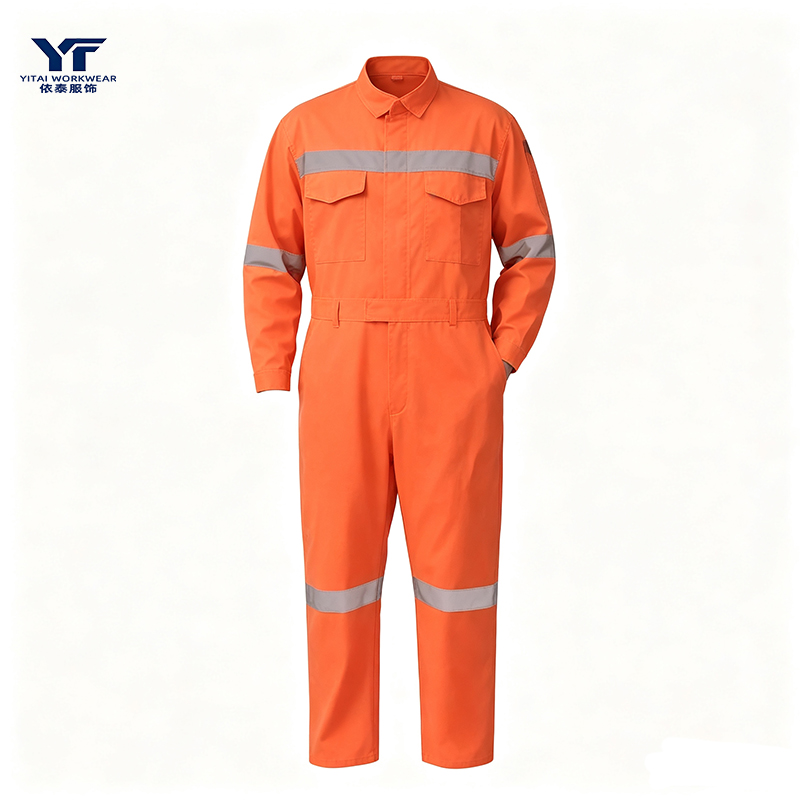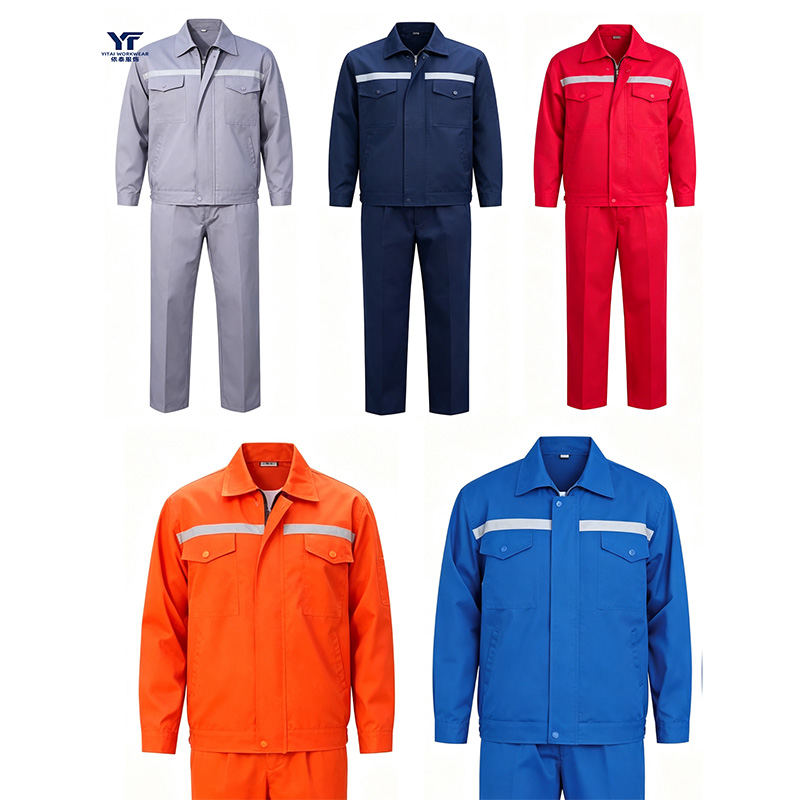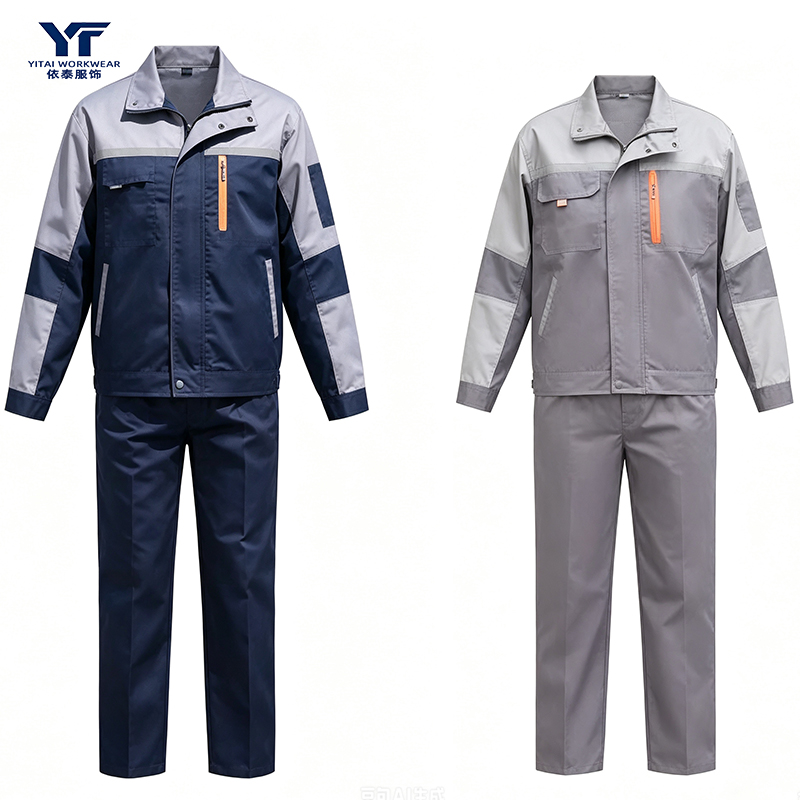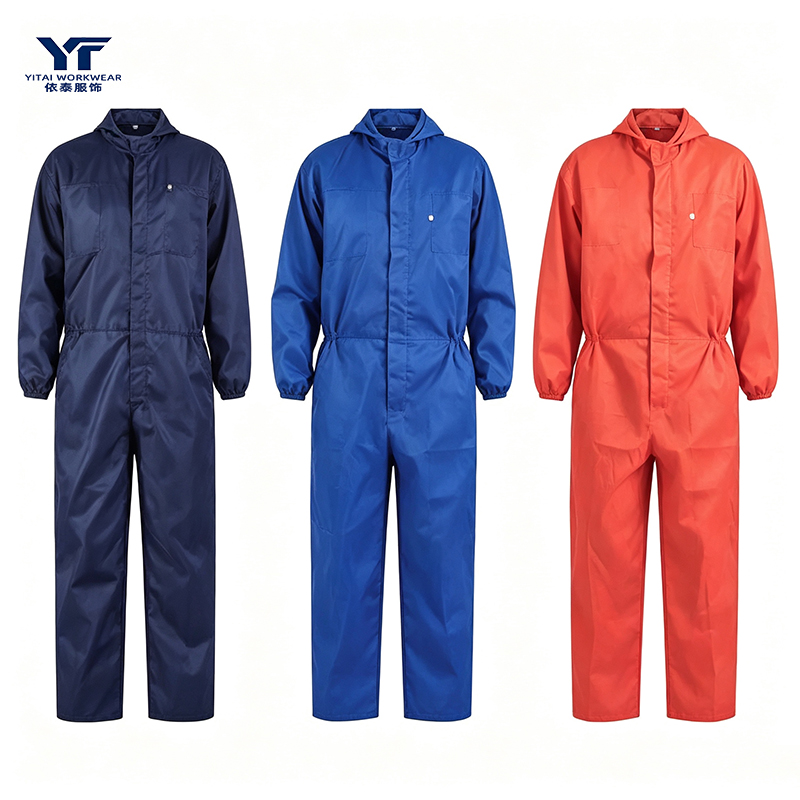
Manufacturing coveralls provide full-body protection for workers in automotive, machinery and precision electronics manufacturing. Designed to resist wear, oils, coolants, metal shavings and welding sparks, while anti-static and cleanroom styles protect sensitive production environments. Available for industrial workwear and bulk supply.
Industry Demand in Manufacturing
In the manufacturing sector, coveralls are widely used. Their core value lies in providing comprehensive and continuous body protection for workers, effectively isolating potential physical, chemical and biological hazards in production environments. Unlike traditional two-piece work uniforms that leave protective gaps at the waist, back and other joints, coveralls greatly improve workplace safety standards. Manufacturing companies demand coveralls for three key reasons: pursuit of superior product quality, strict control over production cleanliness, and strong commitment to operator safety.
1. Applications in Automotive & Machinery Manufacturing
The automotive and machinery manufacturing industry is a major application scenario for coveralls. Workers in these environments are frequently exposed to lubricants, coolants, metal shavings and welding sparks. Coveralls fully cover workers’ personal clothing to prevent oil contamination. They also stop loose garments from being caught by rotating machine parts, which could lead to serious safety incidents. For example, anti-static coveralls used in automotive painting workshops prevent static buildup and dust adhesion. This ensures a smooth paint finish and better product quality. The one-piece design is also easy to put on and take off, boosting work efficiency and offering basic protection against minor liquid splashes.
Coveralls used in machining workshops are typically made of highly wear-resistant fabrics to withstand constant friction with metal parts and rough surfaces. Ergonomic design guarantees sufficient mobility for bending, stretching and other movements, so operation precision will not be limited by clothing. For special positions such as high-temperature furnace operation and large equipment maintenance, flame-retardant coveralls are selected to provide critical passive safety protection for workers.
2. Protection for Precision Electronics Manufacturing
Precision electronics manufacturing has extremely strict requirements for environmental cleanliness. Tiny dust particles or fibers can cause irreversible damage to precision components and reduce product yield. Therefore, one-piece cleanroom coveralls have become standard equipment in this industry. These garments are woven from special synthetic anti-static filament fibers. They do not generate or trap dust, and can effectively contain human skin flakes and loose hair. The design aims to fully enclose the human body within a clean barrier, minimizing contamination to the cleanroom from personnel.
Cleanroom coveralls feature targeted details: zippers at the back or side with shielding flaps to stop particles escaping through gaps; ribbed cuffs at wrists, ankles and neck for a snug fit. Conductive threads woven into the fabric safely drain static electricity from the human body to the ground via earthing systems, preventing electrostatic discharge from damaging sensitive integrated circuits. In high-end sectors including semiconductor chip manufacturing and LCD panel production, cleanroom coveralls are fundamental to maintaining product qualification rates and stable operation of the whole production line.