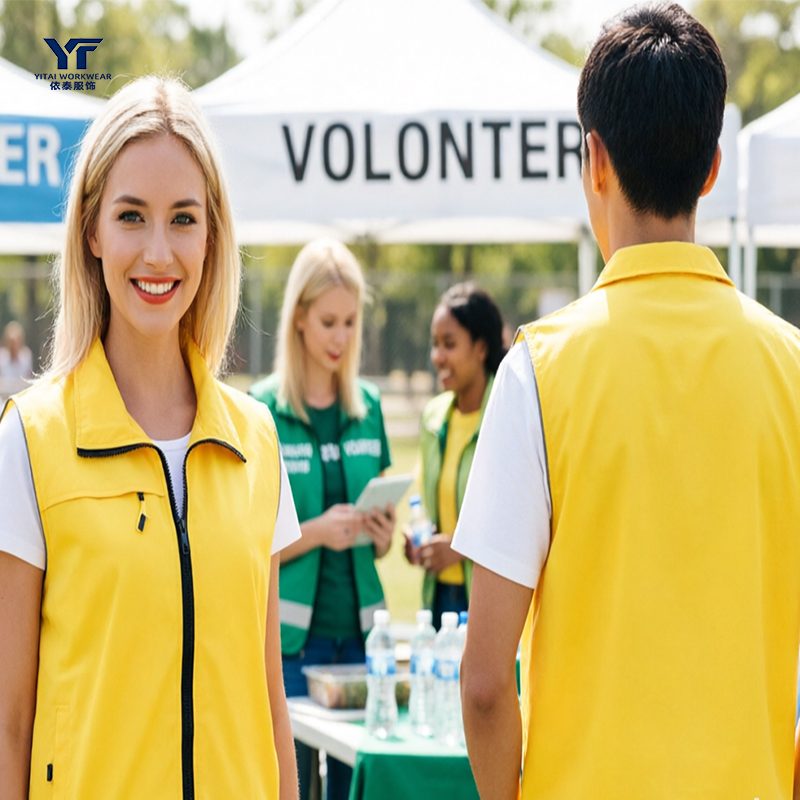
Discover the key differences between vests and outer jackets. Learn layering tips, body‑shape matching & functional selection for work vests and safety vests.
Vests vs Outer Jackets: Key Differences for Work & Daily Layering
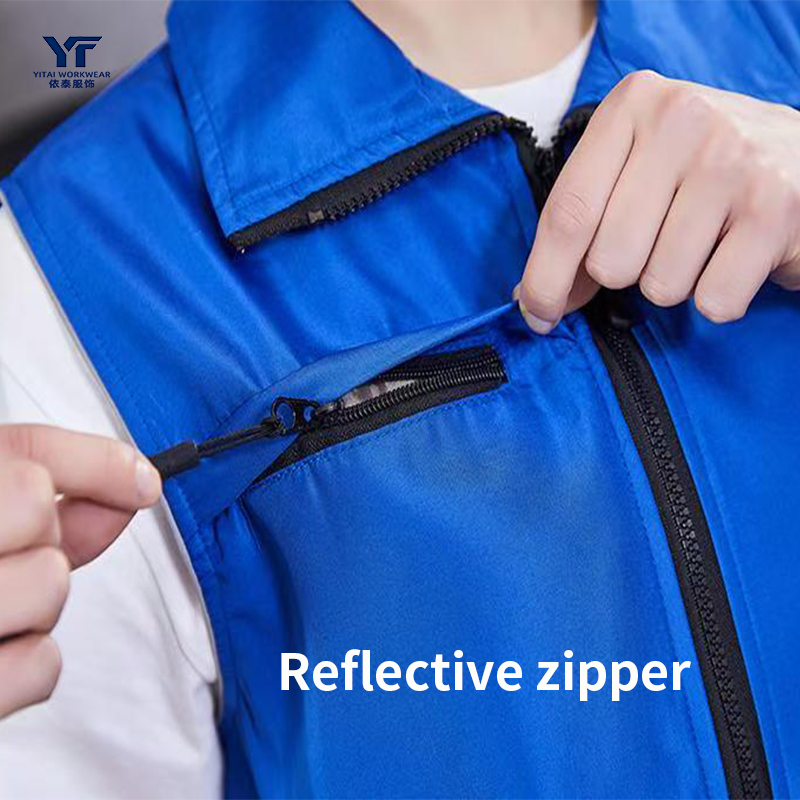
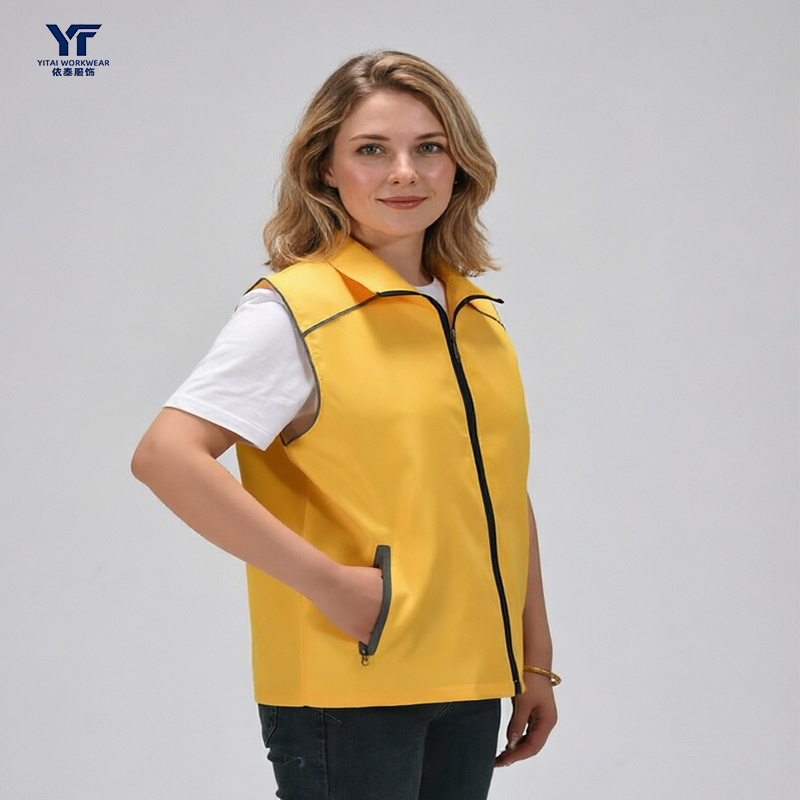
Spring and autumn are known for changeable weather. Too much clothing brings overheating, while removing layers leaves you cold. A **sleeveless work vest** layered over your shirt offers an ideal fix for shifting temperatures. Short‑length and front‑closing, vests‑including durable denim styles and blazer‑lapel designs‑create natural draping over under‑shirts, adding casual sophistication for business and worksite settings.
In cold winter, bulky sleeved outer jackets are hard to carry while commuting in crowds. Detachable ski‑jacket liners serve as functional alternatives: wind‑proof warm layers with reinforced shoulder panels that combine great mobility and cold‑weather protection.
Cut‑off sleeves are not just a design simplification‑they unlock the power of layering. Dating back to ancient sleeveless protective garments across Mesopotamia, China and 17th‑century Europe, vests have long been used to rebuild visual outfit layers. From high‑fashion knit vests to practical hand‑knit waistcoats, they deliver diverse styling possibilities with less fabric.
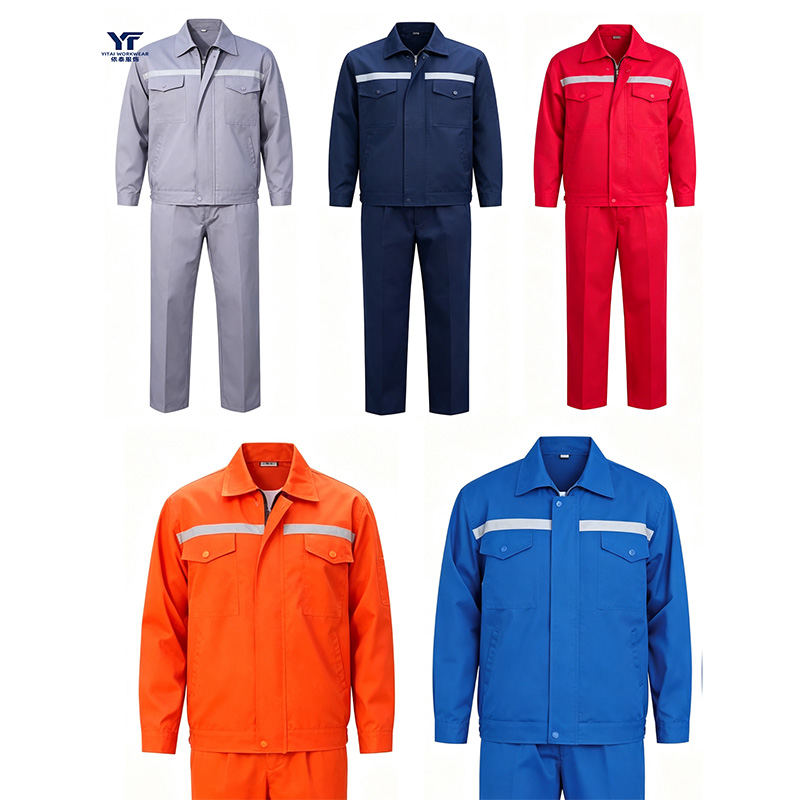
Modern insulated workwear inherits this functional philosophy. Early protective garments, from ancient shoulder guards to heavy sailor overshirts and fur hunting cloaks, became the blueprint for today’s outer jackets. Heavy parkas with zipper pockets and fur collars keep users warm in extreme cold. Professional ski and safety shell jackets balance wear‑resistance and high‑visibility colour requirements. Wider fabric coverage delivers better protection against harsh wind.
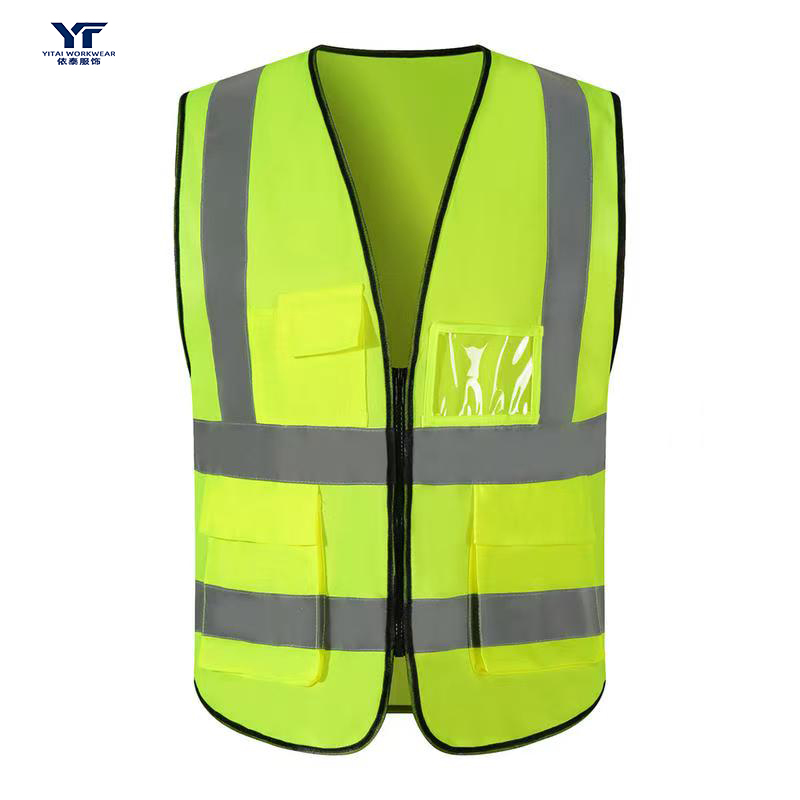
Weight control is critical when choosing between **safety vests** and outer jackets. Stiff heavy overcoats limit arm mobility‑inconvenient if you need to carry bags or a child. For workplace meetings, tailored satin vests cut down bulk while showcasing neat collar details for professional‑yet‑personal looks. Lightweight high‑tech nylon down vests can fold small enough for handbags, a far handier option than bulky overcoats when storage space is limited.
Your body shape should guide buying decisions. Wool vests work perfectly for square shoulders but may cause sagging wrinkles on sloped shoulders. Pear‑shaped figures look balanced with boxy outer jackets ending at hip level. Slender body types should avoid oversized double‑fleece biker jackets that add too much volume. Belted short denim vests paired with thin knit cardigans build balanced visual effect through multi‑layer styling.
Fashion evolves from real‑world survival needs. Human societies around the globe have developed countless styles of vests and outer jackets. Their core purpose stays the same: to satisfy practical demands while delivering good appearance.
Today, the boundary between vests and outer jackets is fading. Weather‑resistant technical jackets with detachable cashmere vest liners are widely seen in modern retail. Fashion innovation does not follow strict dividing lines. Instead, it offers flexible solutions for both temperature adaption and style requirements.