Learn the 3-layer dressing principle for sanitation workers’ winter gear: sweat-wicking base layer, heat retention middle layer & windproof waterproof outer layer. High visibility reflective safety workwear for cold outdoor operation.
Layered Dressing Principle for Sanitation Workers
Adopt a three-layer model: base layer for sweat wicking, insulating layer for heat retention, outer layer for wind and water resistance.
The base layer should be made of quick-drying fabrics; the insulating layer focuses on lightweight warmth; the outer layer is preferably windproof, waterproof and breathable. Leave proper space between layers to guarantee free movement without restriction.
Safety First
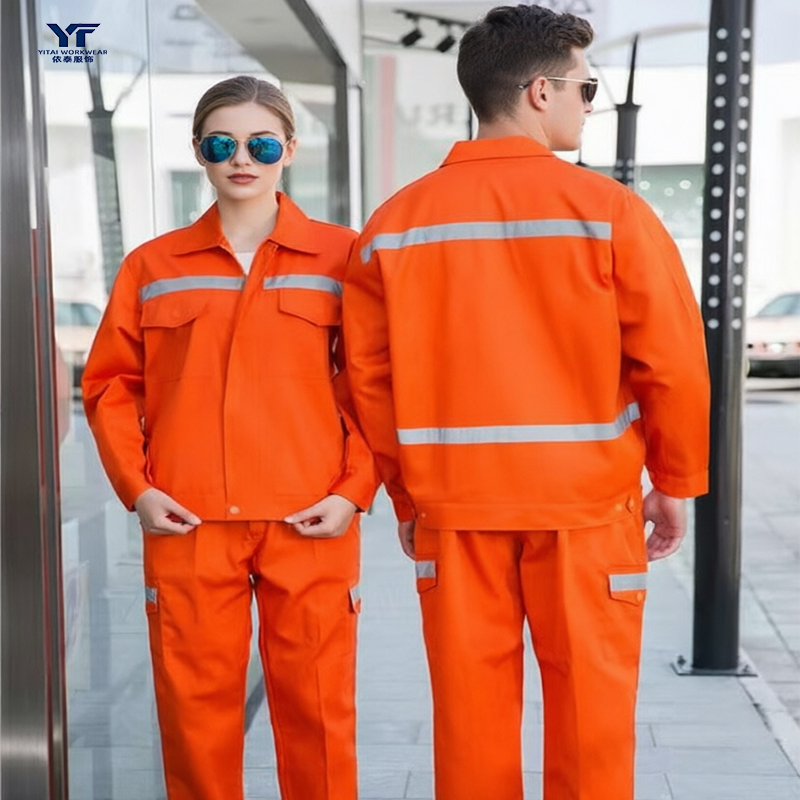
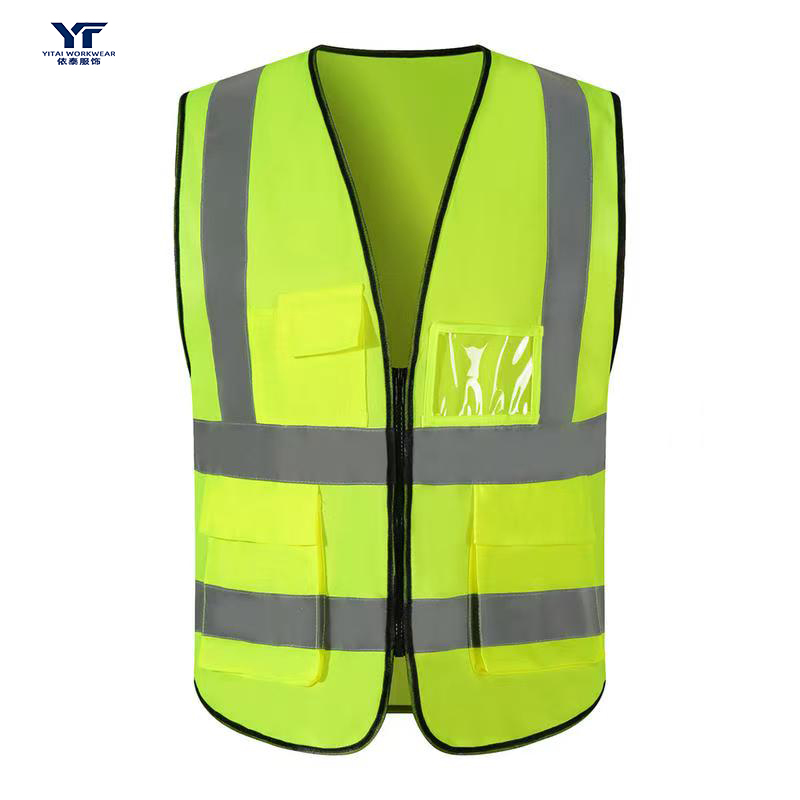
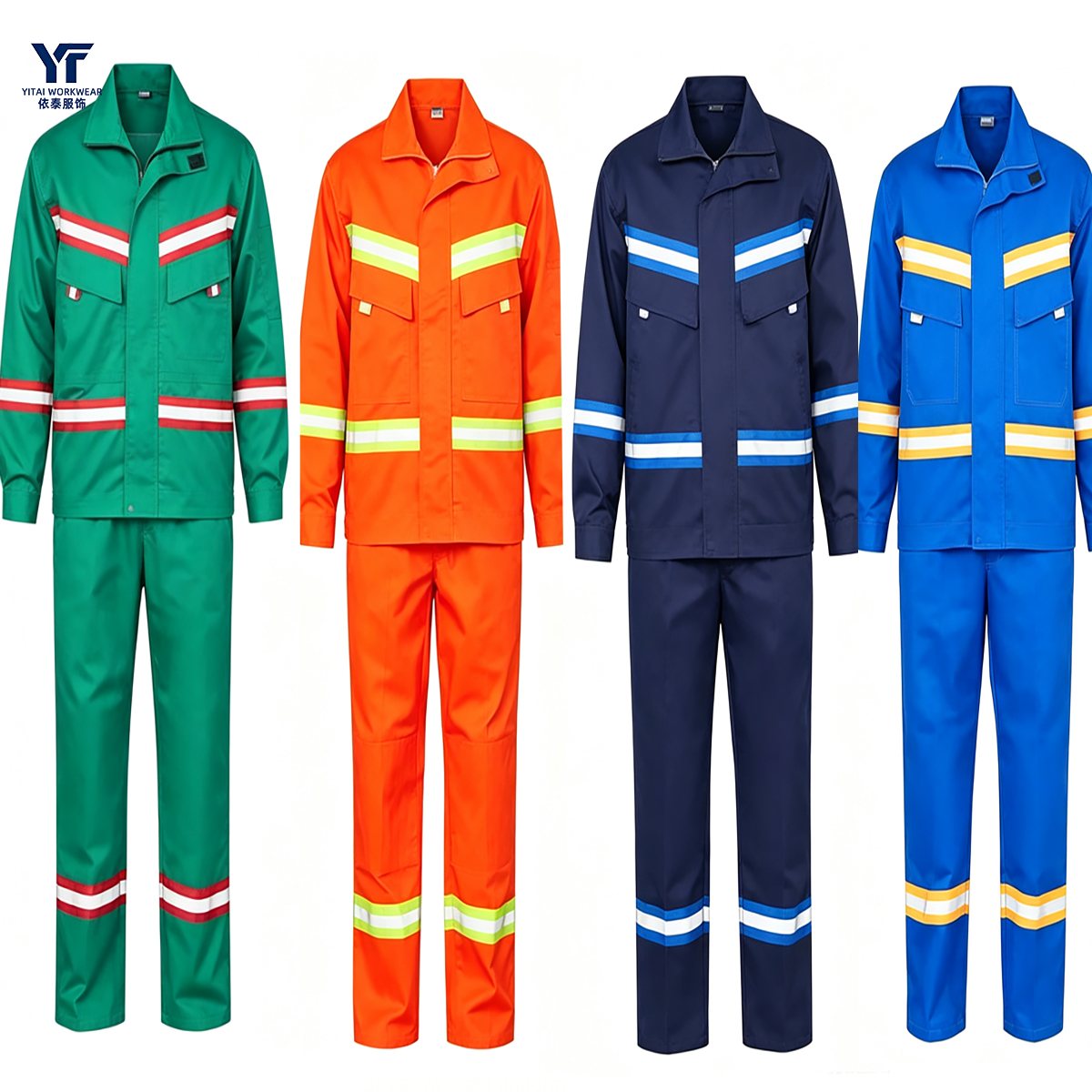
High visibility shall be prioritized for garment colors and reflective elements, so drivers and passersby can spot workers from a long distance. Headlamps, reflective vests and armbands can be equipped when necessary.
Waterproof, Moisture-proof & Breathable
For rainy and snowy weather, the outer layer needs extra waterproof performance. However, stockings and linings should not be too thick, or sweat cannot evaporate in time and cause damp discomfort.
Proper Weight & Flexibility
The gear aims to keep workers warm, easy to move and quick to put on/take off. Overweight equipment shall be avoided to prevent physical exhaustion and slow movement.
Easy Maintenance & Replacement
Select materials that are washable, quick-drying and durable, for convenient on-site cleaning, air-drying and replacement.
Health & Rest Support
Arrange rest areas, hot drinks and physical recovery properly. Prevent severe hypothermia caused by prolonged wearing.