Proper construction workwear keeps workers safe and productive: durable fabrics, high-visibility colors, clear identification and sustainable design explained.
Workwear for Construction Workers
Construction stands as a key symbol of human social development. Whether it is the grand palaces of ancient times or the high‑rise buildings of the modern era, all rely on the hard work of construction workers. Clothing plays a vital role in construction work. Proper workwear not only delivers physical protection but also improves working efficiency. This article focuses on construction workers’ workwear and explores its features and significance.
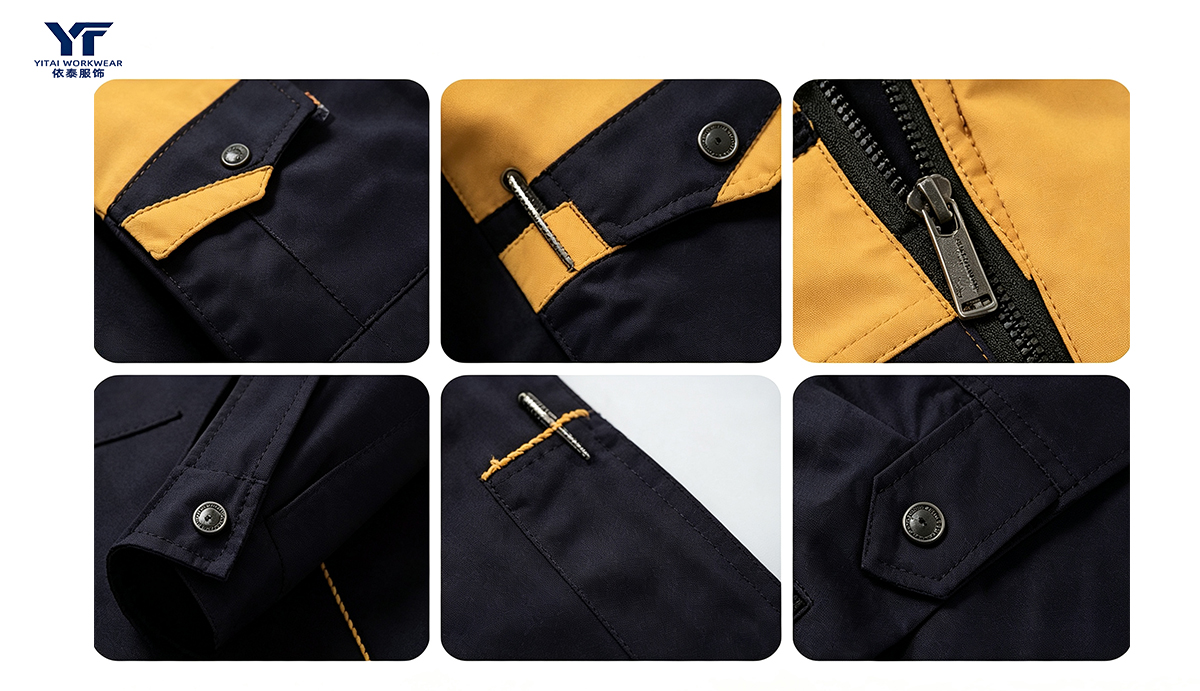
Workwear for construction workers needs multi‑functional performance to protect workers against bodily harm while adapting to diverse weather and site conditions. First of all, the fabric must be durable and protective. Construction sites contain numerous hazards such as metal fragments and sharp tools. Suitable materials help lower the risk of workplace injuries. Furthermore, most construction workers work outdoors, so fit, comfort and breathability are critical factors. Comfortable workwear eases fatigue during long‑hours manual labor and boosts overall work efficiency.
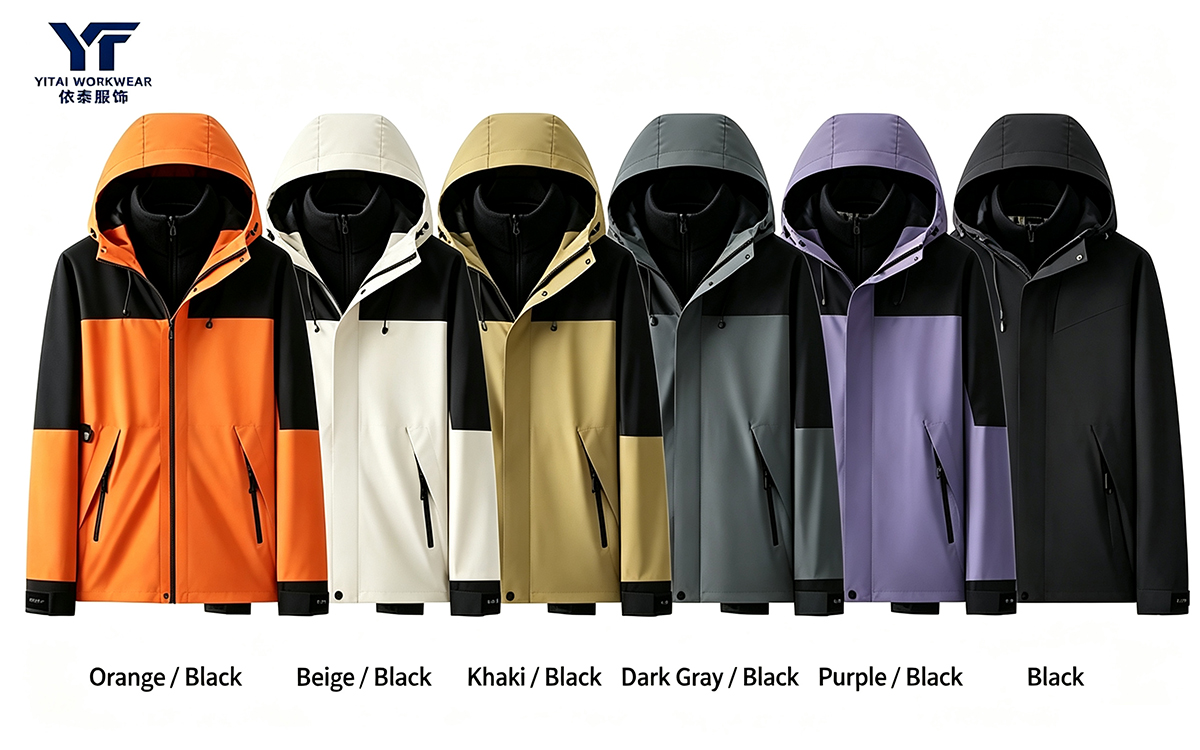
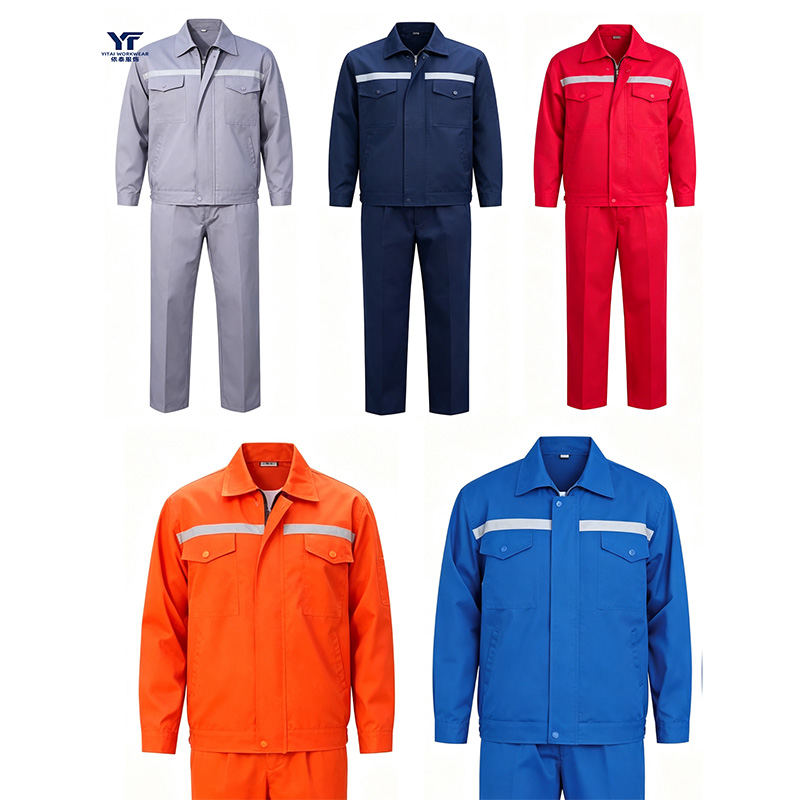
Besides fabric selection, color is another essential design factor for construction workwear. Bright‑colored garments differ greatly from dark‑colored ones in site environments. Bright colors enhance visibility at night and on overcast days, making workers easy to spot and helping prevent accidents. Dark‑toned clothing reduces light reflection under strong sunlight and protects workers’ eyesight. Therefore, designers should take site lighting conditions into account when selecting suitable colors for construction uniforms.
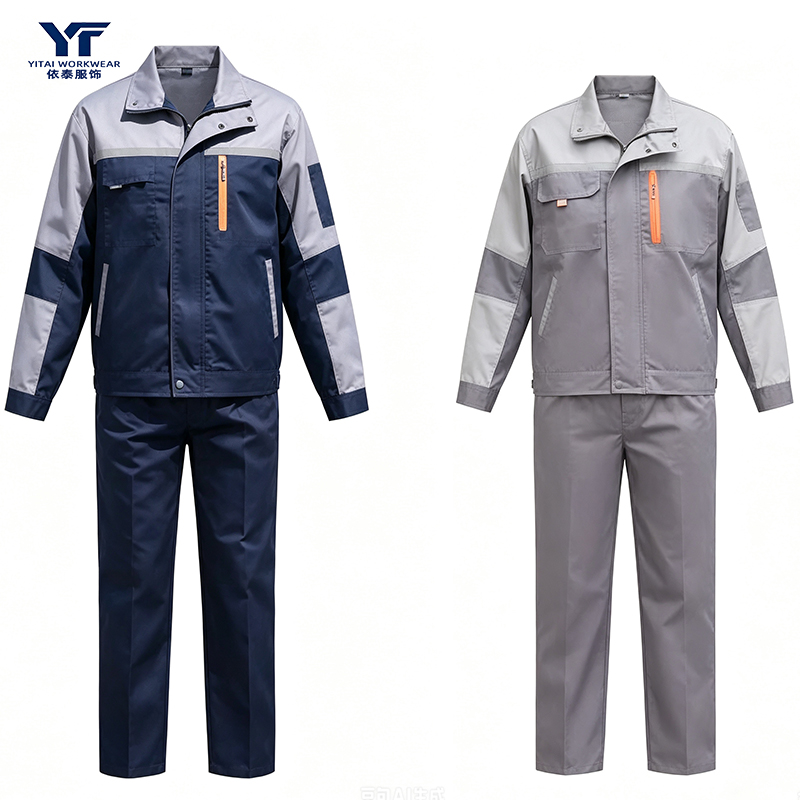
Apart from functionality and appearance, construction workwear also requires clear identification features. Construction sites host large numbers of personnel. Work outfits help distinguish workers by job roles. For instance, excavation crews may wear red uniforms, while handling teams adopt blue garments. This facilitates site management and minimizes confusion. Logos and markings on workwear also improve communication and coordination among staff, lifting both work efficiency and on‑site safety.
In recent years, rising environmental awareness has driven sustainable design for construction workwear. Many brands adopt eco‑friendly fabrics to lessen negative environmental impacts. Recycled fiber materials are widely applied, and old work uniforms are recycled and reprocessed to cut resource consumption.
To sum up, designing construction workwear is a sophisticated and important task. Garments must be protective and durable, and fit varied weather and site conditions. Well‑selected materials, colors and identification markings improve workers’ safety and productivity. Meanwhile, eco‑friendly and sustainable design has gained growing attention. Construction workwear is an indispensable part of building projects and deserves sufficient attention.