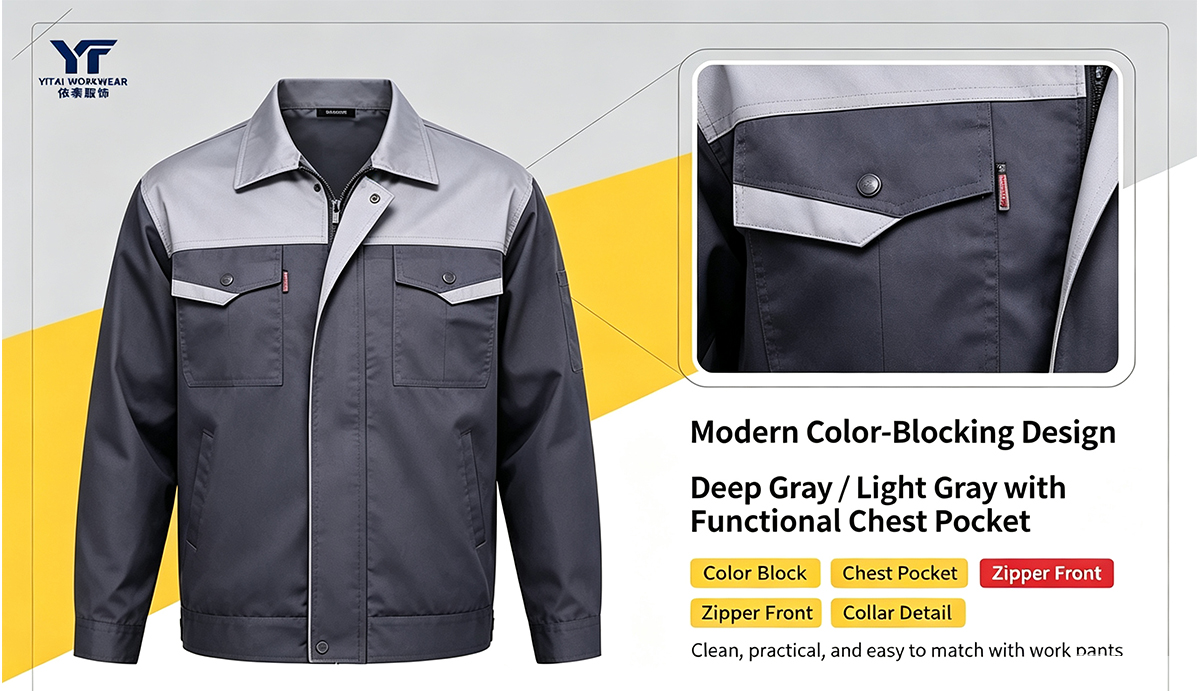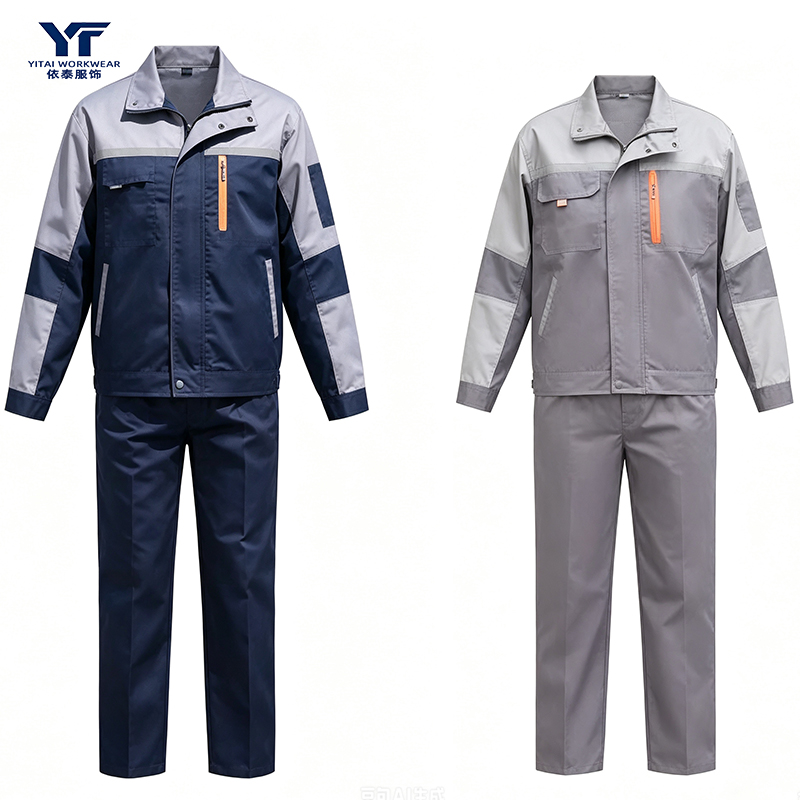
Complete guide to winter factory workwear: warmth fabrics, high-visibility safety design, abrasion resistance, waterproof & windproof functions. Workwear standards for factories, construction & industrial sites.
Winter Factory Workwear Requirements
Warmth
Superior materials: In cold winter, workwear should be made of warm fabrics, such as cotton, wool blends, or fabrics with thermal lining. For factories located in extremely cold northern regions, thick cotton-padded jackets or down jackets may be provided as work uniforms to keep workers warm during operations.
Adequate thickness: Winter workwear needs sufficient thickness, like heavy outer coats and thick trousers. For workers who operate outdoors frequently, companies may supply fleece-lined and thickened work jackets and trousers, ensuring warmth even during long hours of outdoor work.
Safety
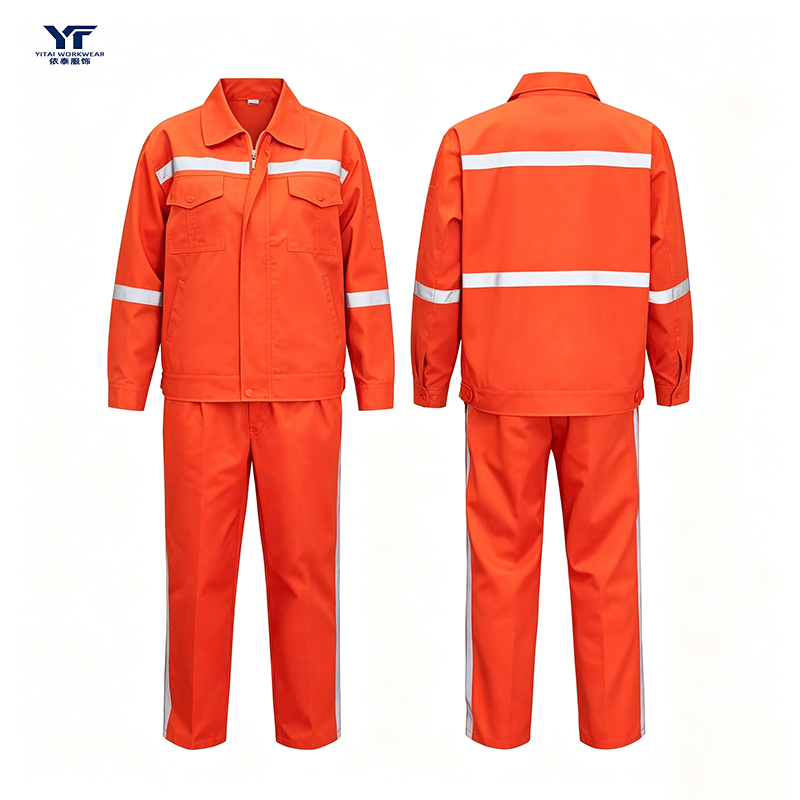
High-visibility colors: If there are moving vehicles in the factory or the workplace carries potential hazards, workwear should adopt bright colors such as fluorescent yellow and orange. This makes workers highly visible to others and reduces accident risks. Workers on construction sites and in logistics warehouses are typically required to wear high-visibility work uniforms.
No hanging attachments: Workwear must not feature long cords, ribbons or easily detachable accessories. These items may get caught in machinery during operation and cause danger. For example, loose hems or sleeves on work clothes in mechanical processing factories can easily be entangled by rotating machine parts.
Anti-static performance: Electronics factories, chemical plants and other sites sensitive to static electricity require anti-static workwear. Static sparks may trigger fires, explosions or damage electronic components. This type of workwear is generally crafted from special anti-static fabrics.
Practical Functions
Abrasion and stain resistance: Factory work environments can be rough, so workwear must withstand friction and resist dirt. Workers in auto repair shops and machinery factories are constantly exposed to oil, grime and tools, so their work uniforms are made of durable fabrics such as denim and canvas.
Waterproof and windproof: For outdoor factory work or workshops prone to water exposure, workwear should be waterproof and windproof. Construction workers and sanitation staff who work in rain or snow can stay dry in such workwear, which helps maintain work efficiency.
Flexible movement: Workwear design should allow unrestricted movement during work. Cuffs, collars and waist sections are usually elastic or loose-fitting. Workers can bend, stretch or lift items freely without restriction.
Cleanliness & Standardization
Keep clean: Employees shall keep workwear clean and wash them regularly. Dirty or torn uniforms should be avoided. Clean workwear boosts workers’ morale and reflects the factory’s management level and working atmosphere.
Standard wearing: Workers must wear workwear as required. Fasten all buttons and zippers, and tuck the hem of shirts into trousers. Do not leave jackets unbuttoned, roll up sleeves or trouser legs.
Other Requirements
Wear protective gear: Depending on job demands, workers shall wear additional protective equipment including safety helmets, safety shoes, protective gloves and goggles for enhanced safety protection.
Clear identification: Workwear is usually printed with factory logos, employee ID numbers and job titles. Clear markings facilitate management and quick identification of staff positions.