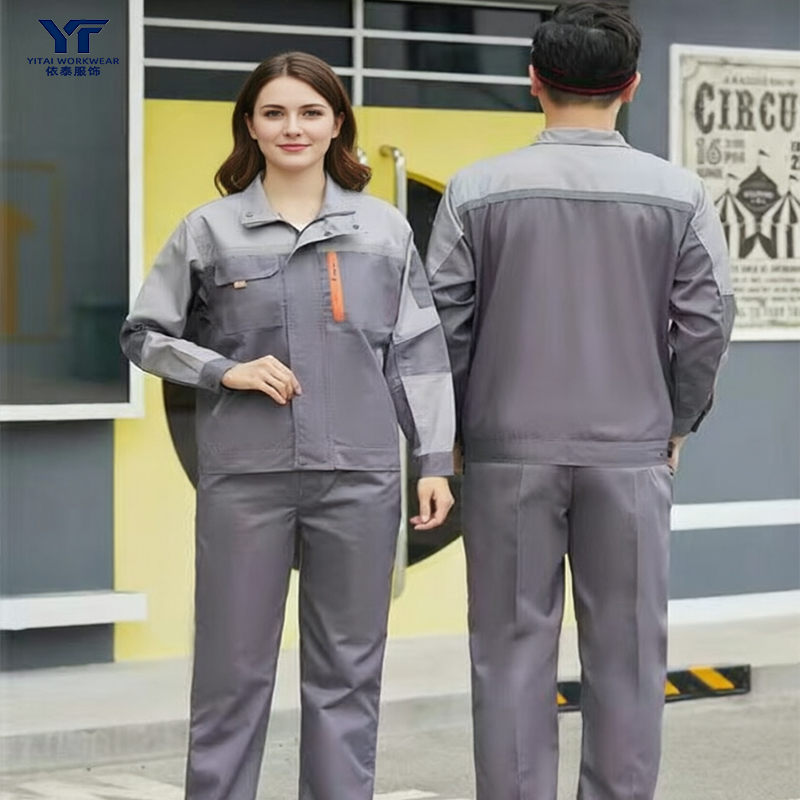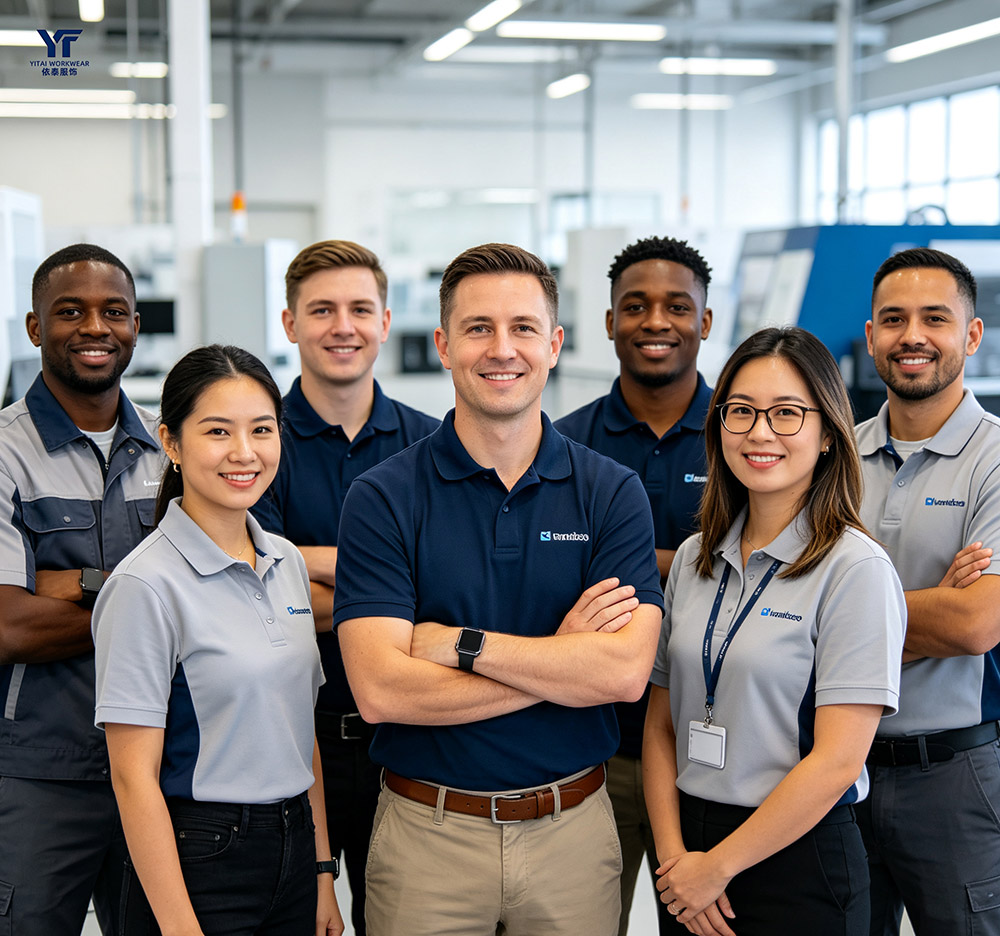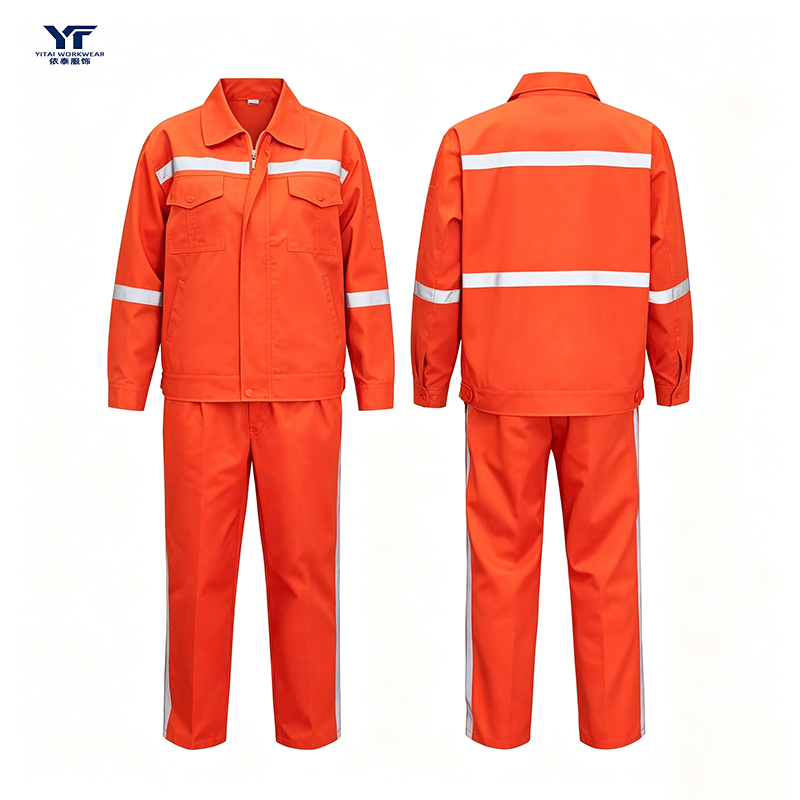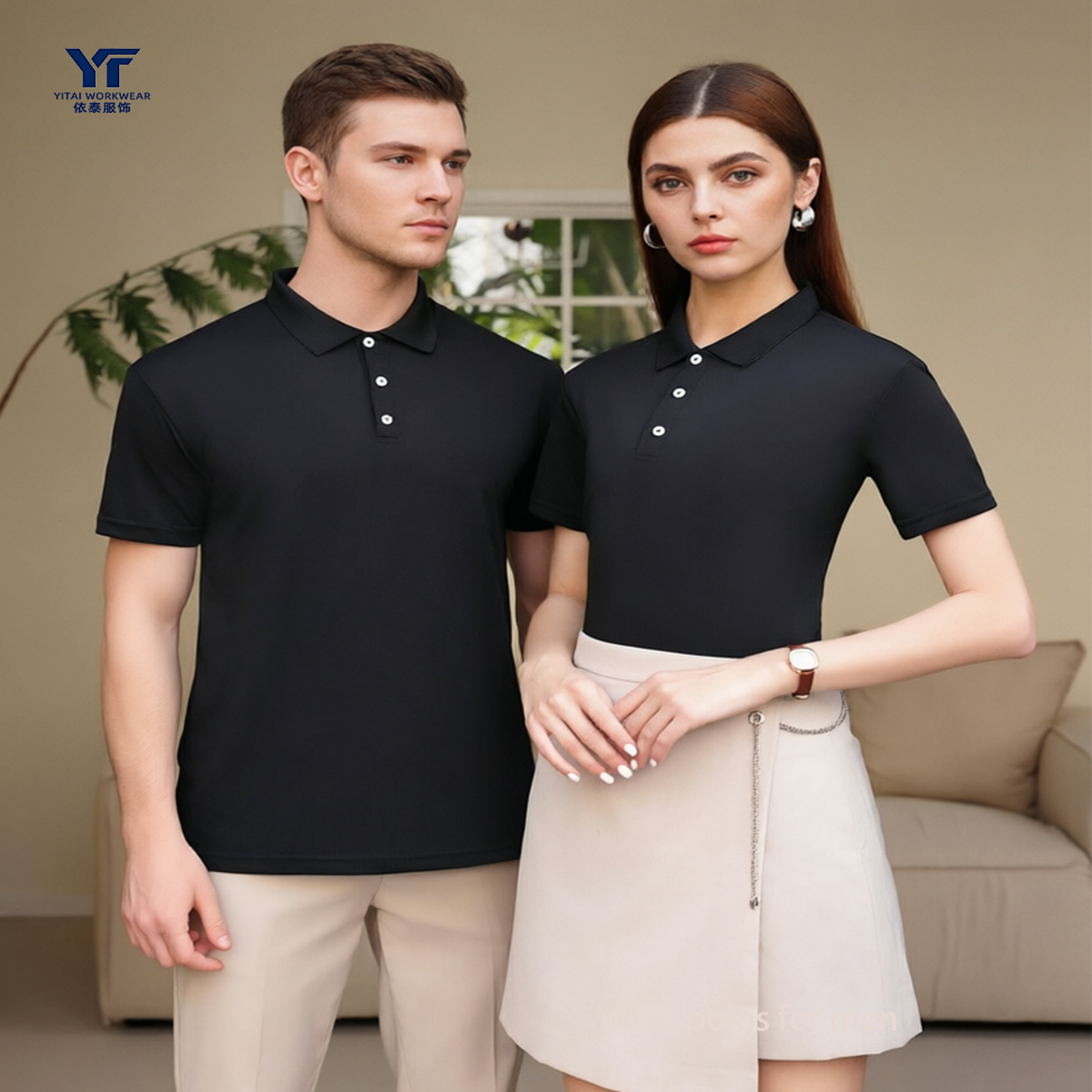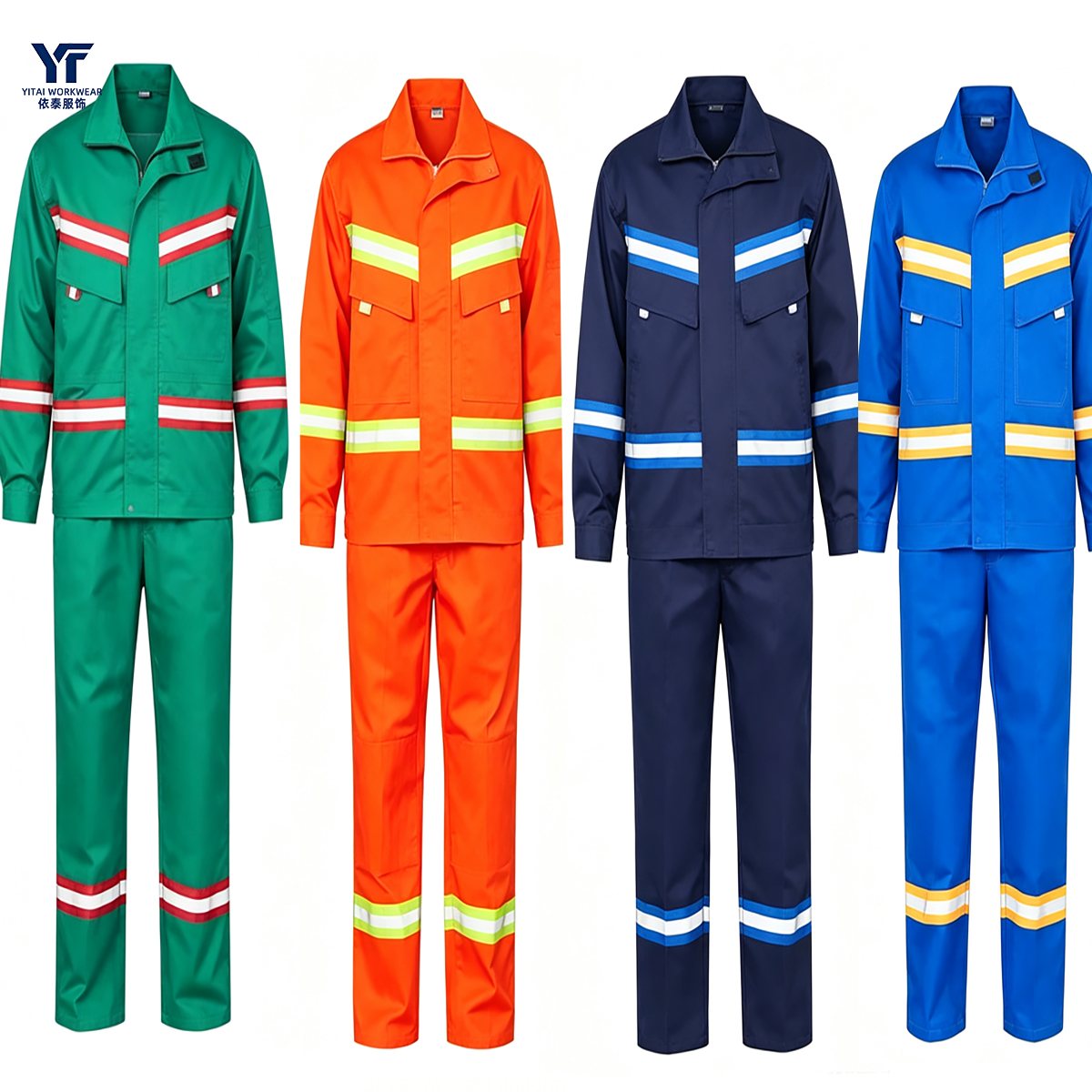
Discover our premium industrial workwear with reliable protection, great durability, ergonomic comfort & branding function. Suitable for construction, chemical, factory and other work scenarios.
Key Features of Premium Industrial Workwear
Functionality
1. Protective Performance
Workwear protection is vital, engineered to match hazards across different worksites. Construction sites are filled with sharp materials and tools, so construction workwear is crafted from wear and scratch-resistant fabrics to prevent bodily lacerations. Firefighters operate in high-temperature flame environments; their uniforms must deliver fire resistance and thermal insulation to keep them safe during emergency operations. Staff in chemical industries handle various chemical agents, requiring workwear with anti-corrosion properties to shield the skin from chemical erosion.
2. Practical Convenience
Workwear is thoughtfully designed to streamline on-the-job operations. Multiple pockets, precisely sized, shaped and positioned, provide dedicated storage for tools and spare parts. For instance, electricians can easily stow pliers, screwdrivers and other frequently used tools in garment pockets. Certain styles feature custom openings or adjustable structures, so clothing will not restrict wide-ranging body movements, enabling smoother workflow.
Practicality
1. Durability
Workwear endures frequent use and harsh working conditions, calling for premium material selection. High-tensile, abrasion-resistant fabrics are commonly adopted. These materials withstand friction, pulling and wear for an extended service life, cutting down the hassle and expense of frequent replacements.
2. Easy Maintenance
Work garments inevitably pick up dirt, dust and chemical residues during work. We opt for easily cleaned fabrics to maintain neatness. After shifts, the workwear can be washed effortlessly, staying clean and ready for immediate reuse the next working day.
Identifiability
1. Corporate Branding
Many workwear styles integrate company logos, names and brand colours. Uniforms branded this way boost employees’ sense of belonging and team cohesion. Meanwhile, they showcase your corporate image and significantly lift brand recognition and visibility.
2. Role Differentiation
Variations in workwear colour, style and markings clearly distinguish job roles and departments. At airports, ground crew, security personnel and cabin staff wear visually distinct uniforms, helping passengers quickly locate required service. In manufacturing plants, different trades wear unique workwear, greatly facilitating on-site coordination and communication.
Comfort
1. Fabric Comfort
Fabric choice lies at the heart of comfortable workwear, prioritizing breathability and moisture-wicking performance. Options include cotton fabrics or breathable synthetic blends. These materials let skin ventilate freely, keeping wearers dry even through long shifts and minimizing stuffiness and discomfort.
2. Ergonomic Fit
Modern workwear balances functionality and practicality with enhanced comfort. Ergonomic tailoring hugs body contours and reduces binding. Collar, cuff, waist and other sections are refined with wearer comfort in mind to avoid pressure points, letting employees work freely with greater ease.