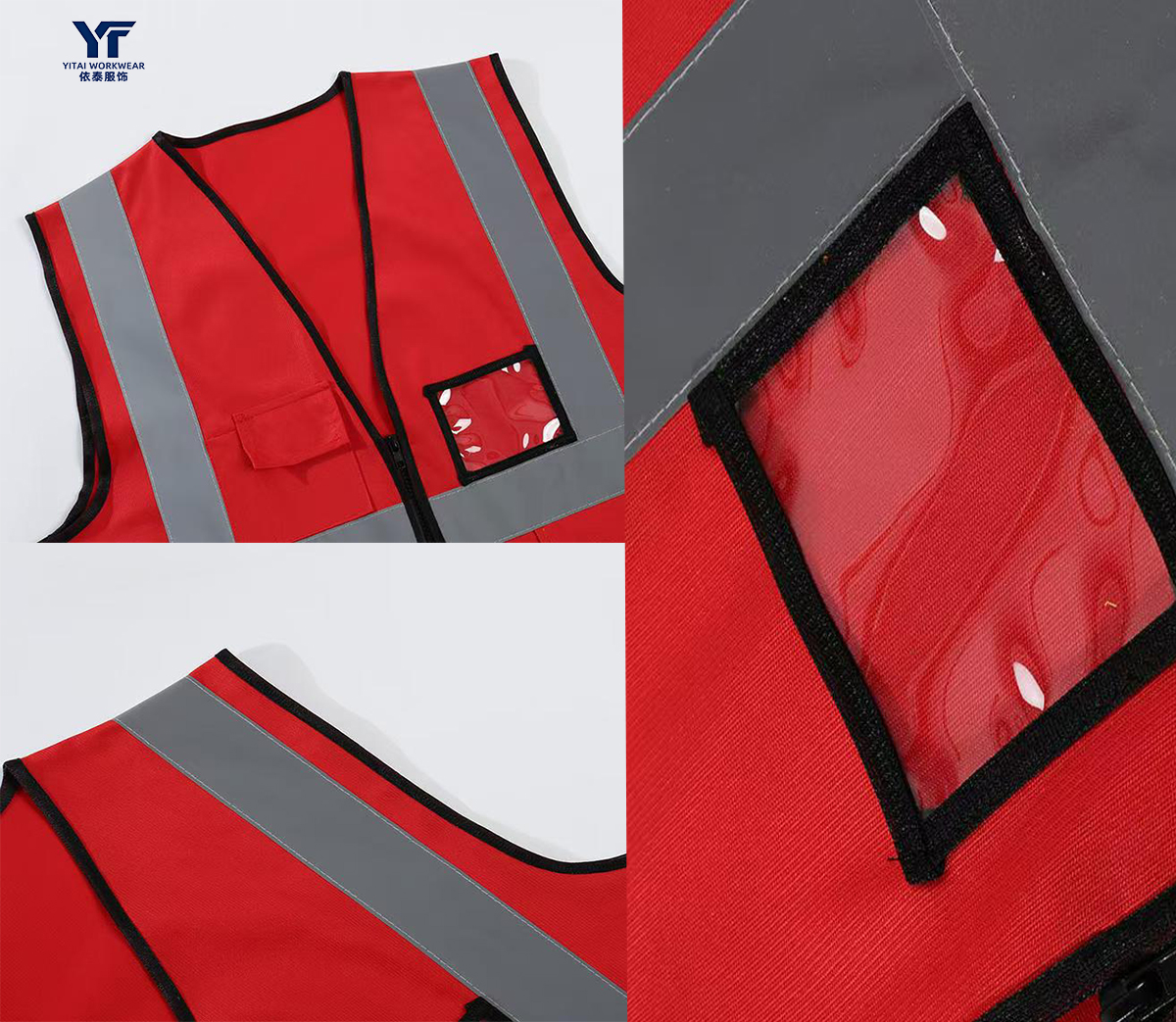
Complete vest buying guide: learn how to select proper size, fit and fabric for work, commuting and outdoor activities. Tips for comfort, warmth and practical work‑wear vests.
How to Choose the Right Vest ‑ Common Issues & Solutions
Many people regard a vest merely as an extra outer layer and pick one casually. However, to get a vest that delivers comfort, good looks and practical performance, plenty of details deserve your attention. This article breaks down typical concerns when shopping for vests. It covers how to evaluate, try‑on, purchase and maintain your vest, making your selection simple and reliable.
Clarify Your Intended Use
Before buying, ask yourself four key questions: What will you mainly use it for? Where will you wear it? How much warmth or wind‑resistance do you require? What garments will you layer underneath?
Urban commuting: Prioritize clean silhouettes, fine fabrics and versatile neutral colours.
Casual outings: Opt for stylised, vibrant or relaxed‑fit designs.
Outdoor activities: Prioritise wind‑proofing, water‑resistance, warmth retention and breathability.
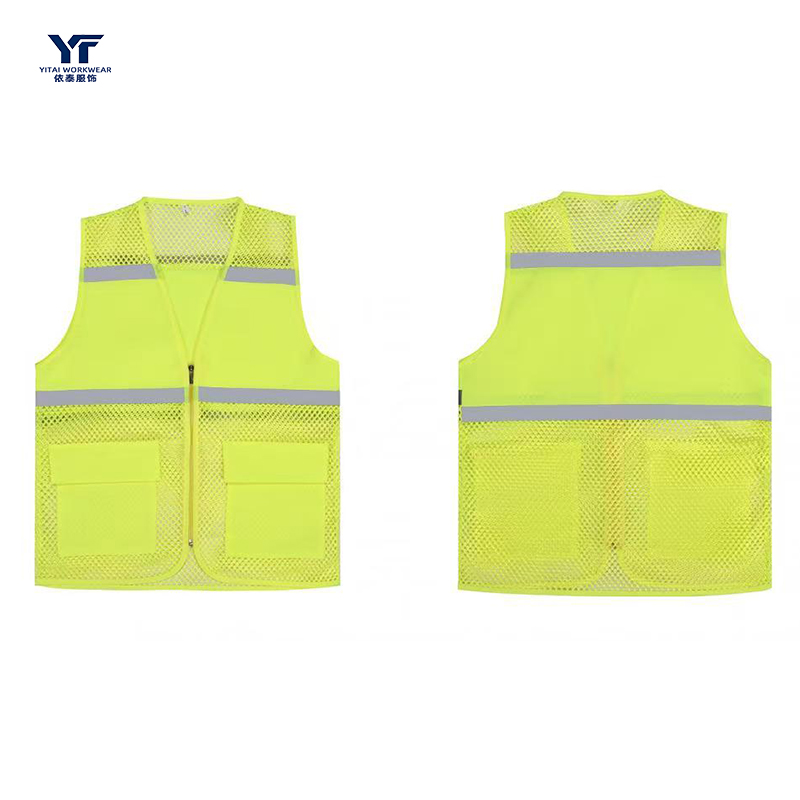
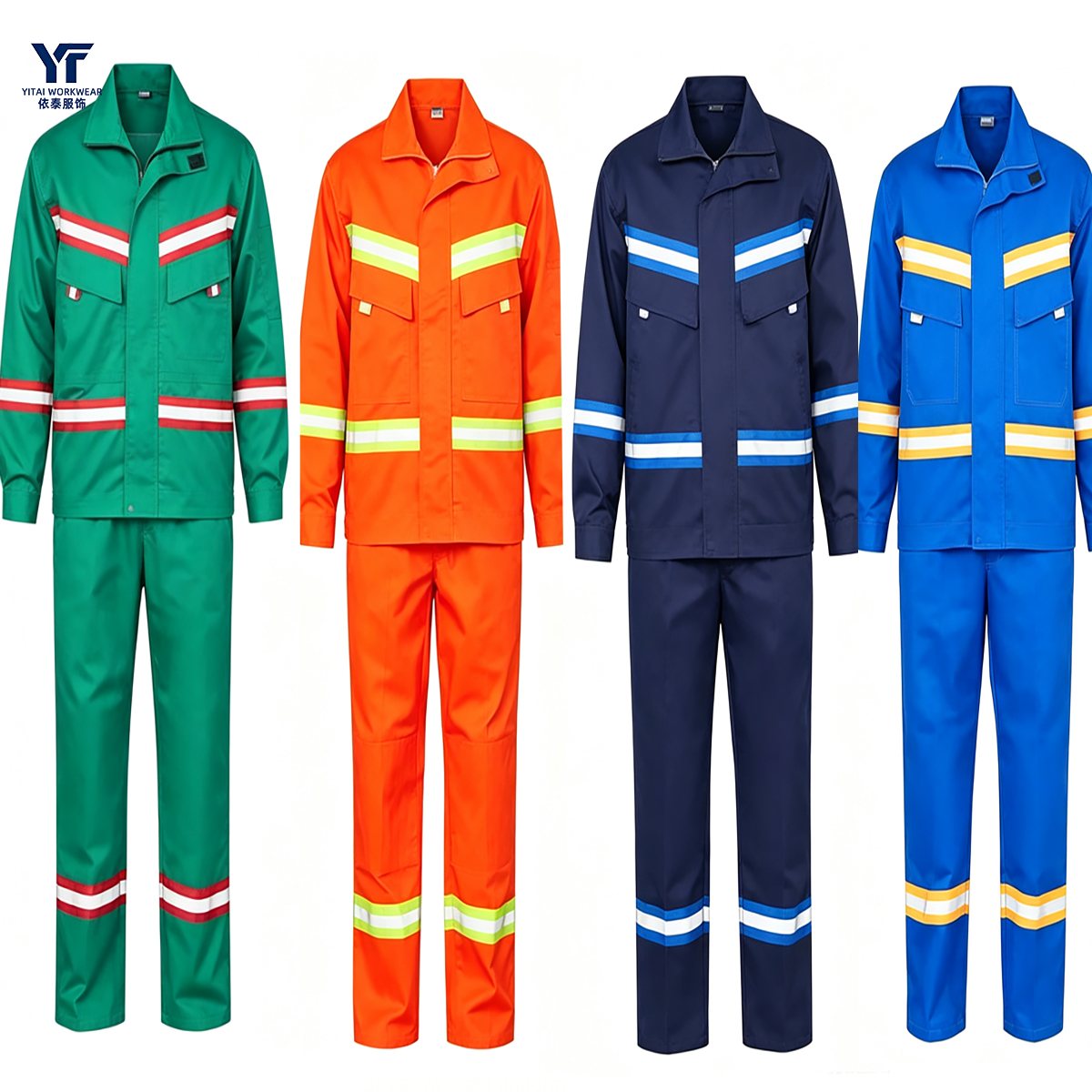
Work‑wear applications (service & industrial uniforms)**: Focus on durability, practical pockets and ease of movement.
Once you define your use case, further selection becomes much easier.
Pick the Proper Style Based on Body Proportions
Vests are sleeveless, so shoulder fit, chest circumference and length are critical.
Shoulder line**: Shoulder width shapes the overall visual proportion. Narrow‑shouldered wearers suit styles with shoulder padding or adjustable draw‑cords. Broad‑shouldered wearers look better in straight‑cut or slightly tailored silhouettes for balanced proportions.
Chest circumference & mobility: Raise arms, twist your torso and sit down during fitting. Ensure unrestricted movement. Too‑tight chest measurement ruins comfort and heat retention; overly loose fabric creates a bulky look.
Length: Short‑length styles (above waist) suit tall wearers or those wanting layered outfits. Mid‑long styles (down to hip/lower hip) offer enhanced warmth and work well for people with shorter torsos.
Fitted vs straight cut: Choose tailored/belted styles to highlight your waistline. Go for straight‑cut or loose fits for casual aesthetic and distinct layering effect.
Fitting tip: Wear your usual inner layer. Perform daily movements. Check shoulder alignment, chest tightness, and whether fabric pulls across waist when seated.
Fabric & Insulation Determine Functional Performance
Fabric selection directly impacts comfort and application scenarios. Common options:
Cotton‑polyester blend: Breathable, skin‑friendly. Ideal for spring & autumn. Moderate warmth performance.
Wool & wool‑blend: Soft‑handled, great heat retention. Suits formal wear and cool city weather. Beware of pilling and follow care instructions.
Down filling: Lightweight and warm. Pay attention to fill weight and fill power, which determine warmth‑to‑bulk ratio.
Synthetic fibre (Polyester, Nylon): Hard‑wearing, quick‑drying. Widely used for outdoor wind‑proof and water‑repellent vests.
Soft‑shell / Hard‑shell fabrics: Popular outdoor materials balancing wind‑proof performance and breathability, perfect for active scenarios.
Rank your priorities: warmth requirement, ease‑of‑care, water‑resistance. Choose fabric and filling according to your real‑world needs.