Learn the standard rules for using safety helmets on site, including correct wearing methods, inspection requirements and forbidden operations for construction and industrial safety protection.
Use of Safety Helmets
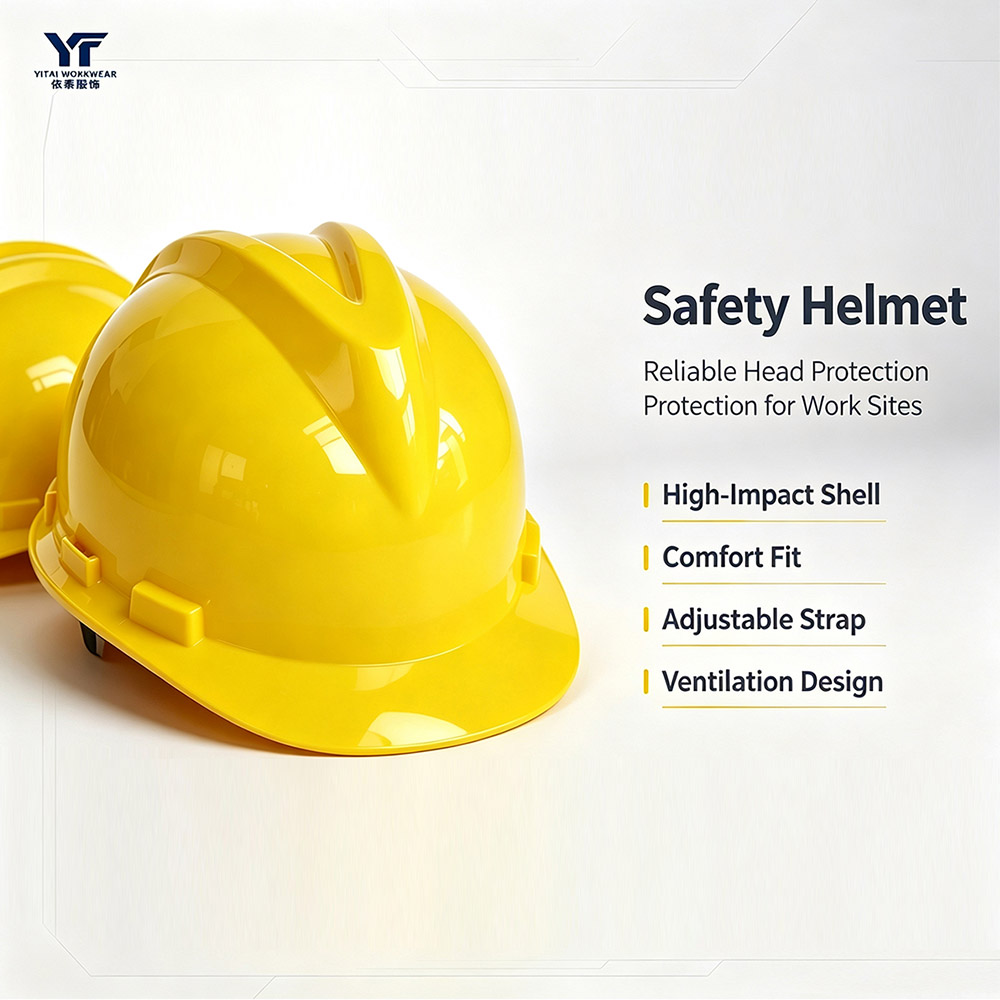
1. A safety helmet is essential personal protective equipment for employees. All personnel entering production or maintenance sites must wear safety helmets correctly as required. Do not take off the helmet, place it aside, or use it as a cushion during work.
2. Safety helmets must be worn upon entering production and maintenance sites (except where special national or industrial regulations apply; exceptions are permitted for special operations only when protective measures are adopted to prevent head injuries and approved by the safety management department).
3. Working, walking or resting in areas with risks of falling overhead objects is strictly prohibited.
4. It is forbidden to use non-compliant safety helmets, including those failing national standards for basic and special technical performance, helmets with chin straps disconnected from the shell, helmets without vertical clearance inside, helmets that have suffered heavy impacts, faded helmets, cracked helmets, and expired helmets.
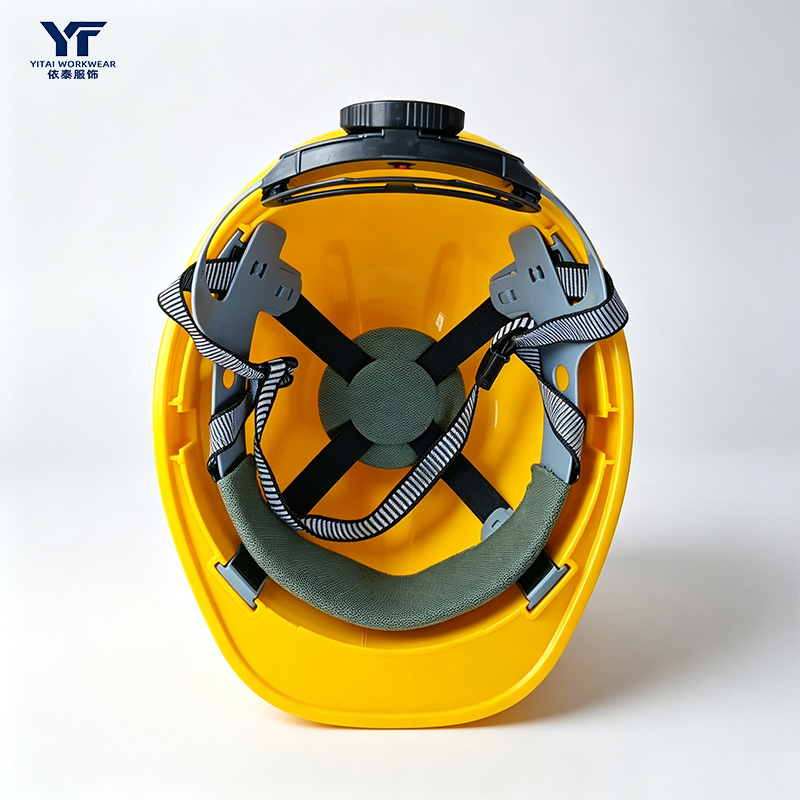
5. Correct wearing requirements: Wear the helmet squarely, fasten and tighten the chin strap. Adjust the headband to fit the wearer’s head shape so the helmet stays secured under all conditions. The brim must face forward in line with the line of sight; backward or sideways wearing is not allowed. Adjust the suspension webbing gap (normally 40~50mm). The internal suspension system must not loosen or shake easily.
6. Inspect safety helmets immediately upon collection. Replace helmets with missing suspension straps or damage right away. Helmets with potential safety hazards must not be used.
7. Using safety helmets as containers is strictly prohibited.